Navigating the New EU EES Border Control System for Schengen Nomads in 2026
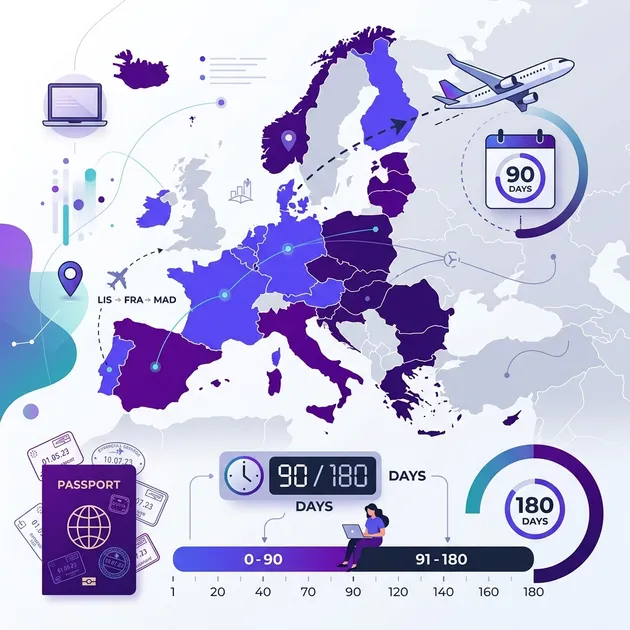
For years, non-EU digital nomads (including Americans, British citizens, and Australians) have hopped across the European continent, relying on the “Schengen Shuffle”—moving in and out of the Schengen Area to comply with the 90/180-day rule.
TL;DR: Under the Schengen Borders Code (Regulation EU 2016/399), non-EU nationals can stay a maximum of 90 days within any rolling 180-day period in the Schengen Area. As of April 2026, the EU’s new Entry/Exit System (EES) uses biometrics to digitally track every entry and exit, making overstays automatically flagged — with fines up to €1,000 and potential entry bans of up to 3 years.
Historically, border agents relied on physical passport stamps to calculate your stay, leaving ample room for errors, missed stamps, or lenient border agents.
However, as of April 2026, per the EES Regulation (EU 2017/2226), the European Union’s new Entry/Exit System (EES) is fully operational. This automated IT system fundamentally changes how border control works.
In this guide, we break down what the EES is, how it strictly enforces the 90/180-day rule, and how digital nomads can navigate this new biometric reality.
What is the Entry/Exit System (EES)?
The EES is a biometric database that replaces physical passport stamping at all external borders of the Schengen Area (airports, seaports, and land crossings).
When you enter or exit a Schengen country in 2026:
- Biometric Collection: You will scan your passport, fingerprints, and face at self-service kiosks.
- Automated Tracking: The system automatically calculates the exact number of days you stay inside the Schengen Zone.
- Overstay Alerts: If you exceed 90 days in any 180-day period, an automated flag is sent directly to border security and immigration databases.
Understanding the 90/180-Day Rule in the EES Era
According to the European Commission’s official Schengen guidelines, the rule itself remains unchanged, but enforcement is now flawless and digital.
[!IMPORTANT] You cannot spend more than 90 days inside the Schengen Area in any rolling 180-day window.
The calculation is “rolling,” meaning you count back 180 days from the current day to see if you have exceeded 90 days.
- Every day spent in a Schengen country counts (including arrival and departure days).
- Days spent in non-Schengen European countries (such as the UK, Ireland, Cyprus, or parts of the Balkans) do not count toward the 90-day limit.
Per the Schengen Borders Code (Regulation EU 2016/399), under EES there is zero margin for error. A single day overstay will be automatically logged, which could trigger:
- Fines: Ranging from €100 to €1,000 depending on the country.
- Entry Bans: A short overstay can result in a ban from entering the Schengen Zone for up to 3 years.
- Visa Rejections: Future visa applications (such as Spain’s Digital Nomad Visa or Italy’s Digital Nomad Visa) will likely be denied if you have an active overstay flag in the system.
How Digital Nomads Can Adapt in 2026
To avoid overstay flags under the new biometric system, nomads must transition from informal “shuffling” to formal legal residencies.
1. Apply for Dedicated Digital Nomad Visas
If you want to spend more than 90 days in Europe, do not rely on tourist entries. Apply for national long-term visas.
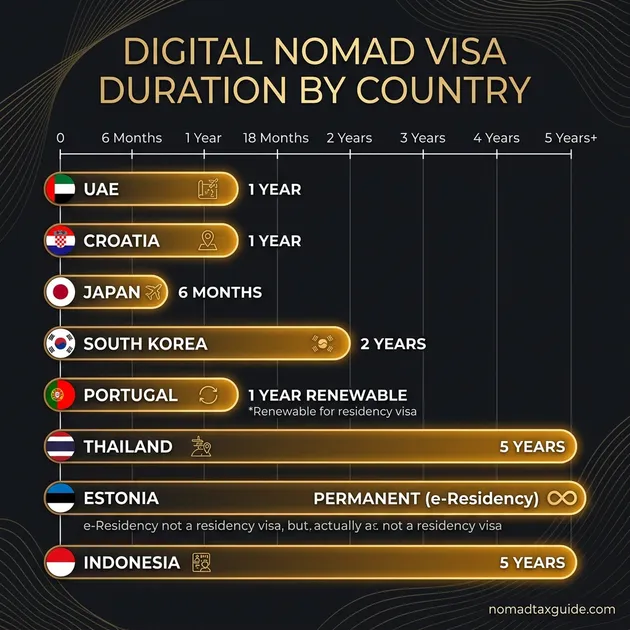
- Visas issued by Spain, Portugal, Italy, Malta, or Greece grant you local residency.
- While holding a Spanish Digital Nomad Visa, your days spent in Spain do not count toward your 90-day Schengen tourist allowance. You can still travel to other Schengen countries for up to 90 days as a tourist.
2. Move to Non-Schengen Hubs
If you are traveling as a tourist, plan your itinerary with non-Schengen countries to reset your rolling 180-day window. Popular hubs include:
- The United Kingdom (London, Edinburgh): Up to 6 months stay for US/AU citizens.
- The Western Balkans (Albania, Montenegro, Bosnia): Highly affordable, offering generous stays outside the Schengen database. Croatia’s Digital Nomad Visa is another option in the region.
- Cyprus: Located in the EU but outside the Schengen border control system.
3. Use Automated Stay Trackers
Do not calculate your days manually. Use a rolling calculator tool (like the calculator we host on our homepage) to input your entry/exit dates. Enter your flights as soon as you book them to make sure your future plans do not trigger an automatic EES flag.